
Why Your Circuit Breaker Trips in Winter (And How To Fix It): Expert Guide 2026
To decide between adding a subpanel or upgrading your entire electrical panel, first evaluate your current electrical needs, including the existing amp rating of your main panel and potential overload risks from simultaneous appliance use.
You can add a subpanel to expand your electrical capacity, provide extra breaker slots, and facilitate new circuits in specific areas, but it may only address temporary issues in an outdated system.
Upgrading the whole panel offers superior safety with modern circuit interrupters, optimizes power distribution, and supports increased power demands and future needs.
This guide explores these points further and helps you choose the best option for your home. If you have any inquiries or immediate electrical assistance in Charlotte, NC, please call (704) 804-3320.
Assess Your Electrical Needs
Your circuit breaker trips in winter because heaters, electric heat, and seasonal lighting overload circuits. Older breakers and panels trip more easily when demand increases or when wiring has worn down. You can fix minor issues by reducing electrical load and unplugging high-draw devices. However, if the breaker trips often, won’t stay reset, or affects multiple rooms, contact a nearby licensed electrician for assistance.
In this guide, you’ll learn why breaker trips are more common during winter, how to tell if the breaker or the circuit is at fault, which troubleshooting steps are safe to try, and when professional repair is necessary.
For professional electrical service, contact Ewing Electric Co. at 704-742-2958. We serve Charlotte, NC, and the surrounding areas.
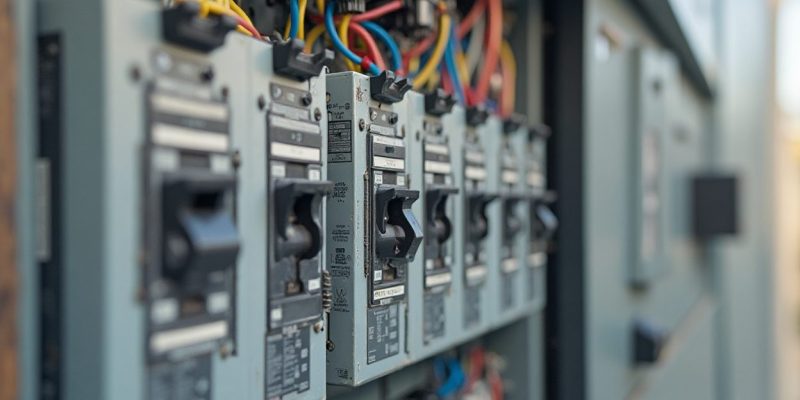
Common Reasons Why a Breaker Keeps Tripping in the Winter
Breakers trip more in winter due to overloaded circuits, aging wiring or breakers, moisture from temperature swings, short circuits, and appliances drawing unsafe amounts of power.
Overloaded Circuits
Winter increases electrical demand inside most Charlotte homes. Space heaters, electric fireplaces, and additional lighting often run simultaneously. This pushes the circuits past their limits. The electrical overload causes the circuit breaker to trip in order to prevent overheating.
Faulty Wiring
Faulty wiring, such as loose connections, damaged insulation, and improperly spliced wires, creates resistance and heat. Additionally, many homes in Charlotte have old wiring, which causes breakers to trip repeatedly even when the load seems normal.
Moisture and Condensation
Charlotte’s fluctuating winter temperatures often create condensation, especially in garages, crawl spaces, and outdoor outlets. Moisture inside electrical boxes can cause short circuits or ground faults. GFCI and AFCI breakers trip quickly in these conditions, which is why winter rain and humidity changes often trigger an unexpected power outage.
Old or Worn Breakers
Breakers wear out over time and may trip too easily, especially in cold weather. Older electrical panels commonly found in old Charlotte homes were not built to support today’s winter electrical loads. This is why worn breakers trip even when the circuit is not overloaded.
Appliance Faults
Faulty appliances draw irregular or excessive power. When an appliance has internal damage or failing components, the breaker trips to stop further electrical damage.
Short Circuits
A short circuit occurs when a hot wire touches a neutral or ground wire. Cold weather can worsen this issue by causing insulation on wiring to crack or shrink. Short circuits cause immediate power shutoff and should be addressed quickly, as they present a serious fire risk.
How to Tell If the Problem Is the Breaker or the Circuit
Below is a summary table of how to tell if the problem is the breaker or the circuit:
What You Notice | Likely Cause | What It Means |
The same breaker trips even when nothing is plugged in | Bad breaker | The breaker is worn out and trips too easily |
Breaker feels warm or won’t stay reset | Bad breaker | Internal failure; replacement is needed |
Breaker trips only when heaters or large appliances run | Overloaded circuit | Too many high-draw devices on one circuit |
Unplugging one device stops the tripping | Overloaded circuit | Circuit capacity is being exceeded |
Lights flicker or outlets buzz before a power outage | Wiring issue | Loose or damaged wiring on the circuit |
Breaker trips randomly with no clear pattern | Wiring issue | Cold weather may be exposing weak wiring |
The breaker trips immediately after being reset | Short circuit | Hot wire is contacting neutral or ground |
Multiple rooms lose power | Overloaded or outdated circuit design | Circuit feeds too many outlets or rooms |
Breaker trips after rain or during humid weather | Moisture or condensation | Water intrusion in outlets or wiring |
Sparks, burning smell, or panel noise | Serious electrical fault | Fire risk; stop resetting and call a pro |
Safe Troubleshooting Steps You Can Try
Many winter issues with circuit breakers can be reduced by unplugging high-draw devices, resetting the main switch, and lowering the electrical load on the circuit. If circuit breakers continue to trip, won’t stay on, or show signs of moisture or heat, stop troubleshooting and call our licensed electrician at 704-742-2958.
Step 1: Unplug High-Draw Devices
Start by unplugging space heaters, electric fireplaces, hair dryers, and other high-power appliances on the affected circuit.
Step 2: Reset the Breaker Correctly
Turn the breaker fully to the OFF position first, then back to ON. If it trips immediately or won’t stay on, avoid repeated resets and contact our electricians for help.
Step 3: Reduce the Electrical Load
Spread appliances across different outlets and rooms when possible. Avoid running multiple heaters or large appliances on the same circuit. This is especially important in older homes with limited circuit capacity.
Step 4: Check for Obvious Moisture Issues
Look for damp outlets, wet extension cords, or moisture near outdoor, garage, or crawl space receptacles. Charlotte’s winter humidity can create condensation that triggers the power to shut down. Do not touch any wet outlet.
Step 5: Test Appliances One at a Time
Plug devices back in one at a time and watch for the main electrical switch to trip. If one appliance causes the issue repeatedly, stop using it.
Step 6: Avoid Extension Cord and Power Strip Stacking
Do not run heaters or heavy appliances through extension cords or power strips. These increase resistance and heat, increasing the risk of a breaker tripping or wiring damage.
When to Call a Licensed Electrician
Call a licensed electrician if you notice:
- The circuit breaker trips immediately after being reset: This usually indicates a serious electrical fault involving a wire or appliance.
- The circuit breaker will not stay on: A breaker that refuses to reset often signals damaged components or unsafe electricity flow.
- Breaker trips affect multiple rooms or outlets: This points to underlying problems with circuit design or shared wiring rather than a single appliance.
- You smell burning or hear buzzing from the panel or outlets: These are signs of overheating wires or an active electrical fault that needs immediate attention.
- Outlets or switches feel warm to the touch: Heat buildup usually traces back to loose wiring or overloaded connections behind the wall.
- Breaker trips happen after rain or during high humidity: Moisture can create dangerous faults inside wiring, especially in garages and crawl spaces.
- Lights flicker or power cuts out randomly: Inconsistent electricity often points to loose or failing wiring connections.
If any of these apply, stop troubleshooting and contact Ewing Electric Co. for professional service in Charlotte, NC. Our electricians will inspect your circuit breaker and repair it safely.
Call 704-742-2958.
How to Prevent Circuit Breaker Trips Every Winter?
Use the practical tips below to reduce electrical strain and lower the chance of breaker trips during cold weather.
- Limit space heater use: Run only one space heater per circuit and unplug it when not in use.
- Avoid running multiple high-power devices together: Do not use heaters, hair dryers, or kitchen appliances on the same circuit at the same time.
- Plug high-draw appliances directly into wall outlets: Skip extension cords and power strips for heaters and electric fireplaces. Direct connections reduce heat buildup.
- Spread electrical usage across rooms: Balance electricity use by running devices on different circuits when possible, especially in older homes.
- Keep outdoor and garage outlets dry: Use weatherproof covers and check for moisture after rain. Charlotte’s winter humidity can trigger ground faults.
- Replace worn or damaged appliances: Appliances with internal faults draw uneven power and cause breakers to trip repeatedly.
- Have aging circuit breakers inspected: Breakers weaken over time and may trip even under normal loads. Routine inspection helps catch failures early.
- Schedule a winter electrical inspection: A licensed electrician can identify wiring issues, panel limits, and root problems before they cause outages.
Get Help for Winter Electrical Faults Now!
Winter breaker trips are often a warning sign of an underlying electrical fault, not just a seasonal inconvenience. Increased heater use, aging wiring, moisture, and worn breakers all place extra strain on your system during colder months. While reducing electrical load can help in minor cases, repeated breaker trips, warm outlets, or power loss across multiple rooms mean the issue needs professional help!
If your circuit breaker keeps tripping or you want to prevent winter electrical problems before they worsen, Ewing Electric Co. is here to help. We provide electrical troubleshooting services throughout Charlotte, NC, and the surrounding areas.
Call 704-742-2958 to schedule an inspection!
FAQs
Start by unplugging devices and resetting the circuit breaker, then reconnect items one at a time to see what causes the trip. If it trips immediately, the issue may be a short circuit or a failing internal part.
Reduce the electrical load first and reset the breaker correctly. If it continues to trip, the circuit breaker itself or the wiring may need professional repair or replacement.
The most common reason is an overloaded circuit caused by running too many high-draw appliances at the same time.
The 80% rule means a circuit should not continuously carry more than 80% of its rated capacity to avoid overheating and nuisance trips.
Repeated tripping can signal a serious electrical issue, such as a short circuit, overheating wires, or failing circuit interrupters, all of which increase fire risk.
This usually points to a faulty wire, a moisture issue, or a problem inside the breaker rather than an appliance.
When only one room loses power, the issue is often tied to that room’s wiring, an outlet, or a faulty switch on the same circuit.
If the power outage affects multiple areas or happens often, the problem may involve wiring, the electrical panel, or the main breaker.