
How To Change a Light Fixture: DIY Steps for Homeowners
To change a light fixture, turn off the power at the breaker, remove the existing fixture, connect the new wiring correctly, and secure the new fixture in place. However, we recommend calling a licensed electrician if you notice damaged wiring, loose electrical boxes, frequent flickering, or if the fixture is heavy or requires electrical upgrades.
In this guide, you will learn the step-by-step process for safely changing a light fixture, common DIY mistakes to avoid, and when it’s best to call a professional.
If you need help replacing a light fixture or want the job done safely and correctly, contact Ewing Electric Co. in Charlotte, NC at (704) 804-3320.
Gather Tools and Materials Needed To Change a Light Fixture
Below are the tools you need:
- Ladder tall enough to safely reach the fixture
- Voltage tester to confirm power is off
- Screwdrivers (flathead and Phillips)
- Wire strippers for preparing electrical wires
- Wire connectors to secure wiring connections
- Insulating or electrical tape for added insulation
- Replacement light with mounting hardware
- Compatible bulbs
- Safety glasses to protect your eyes during installation
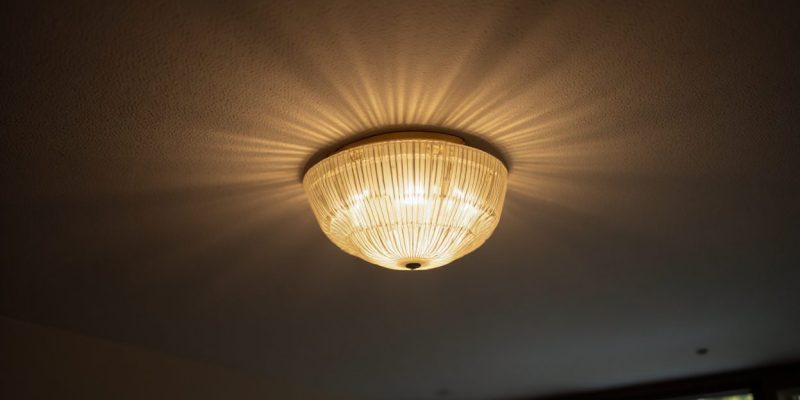
Steps for Changing a Light Fixture
1. Turn Off Power at the Breaker
Always shut off the power before starting to avoid electrical shock. Turn off the correct breaker in the panel and use a voltage tester to confirm there is no electricity flowing to the fixture.
2. Set Up a Stable Ladder and Access the Fixture
Proper access helps prevent falls and damage to wiring. Position a sturdy ladder on a level surface so you can safely reach ceiling fixtures without overextending.
3. Remove the Existing Light
Careful removal prevents damage to wiring and fixtures. Unscrew the fixture, support its weight, and disconnect the wires carefully to avoid stressing the electrical connections.
4. Identify and Prepare the Wiring
Correct wire identification ensures safe lighting operation. Locate the hot, neutral, and ground wires and straighten or trim them as needed for clean, secure connections.
5. Connect the New Wiring
Secure connections are critical for reliable lighting. Match corresponding wires and fasten them tightly with wire connectors to prevent loose contacts.
6. Mount the New Fixture Securely
Proper mounting keeps fixtures stable and safe. Attach the new light firmly to the electrical box and confirm it is level and well-supported.
7. Install Bulbs and Restore Power
Final testing confirms safe lighting performance. Install the correct bulbs, turn the breaker back on, and verify the lighting operates without flickering.
Common DIY Mistakes When Changing Light Fixtures
Below are common DIY mistakes when changing a light fixture:
- Failing to turn off the power at the breaker before starting work
- Skipping the use of a voltage tester to confirm that the power is off
- Allowing the lights to hang by the wires during removal
- Mixing up hot, neutral, and ground wires
- Leaving wire connections loose or uncovered
- Installing fixtures that are too heavy for the electrical box
- Using incorrect bulb wattage or incompatible lighting components
DIY vs Hiring a Licensed Electrician
Factor | DIY Replacement | Licensed Electrician |
Skill level | Moderate home project | Trained and licensed professional |
Safety risk | Higher if wiring or boxes are damaged | Lower due to training and code knowledge |
Time required | 30–90 minutes depending on experience | Usually 30–60 minutes |
Tools needed | Ladder, tester, hand tools | All tools provided |
Cost | Lower upfront | Higher upfront, fewer risks |
Code compliance | Easy to miss issues | Work meets local electrical code |
Best for | Simple swaps with standard wiring | Heavy fixtures, wiring issues, and older homes |
When to Call an Electrician to Replace a Light Fixture
Call a licensed electrician if:
- The wiring is damaged, brittle, or shows signs of overheating
- The electrical box is loose, cracked, or not rated to support the fixture
- The fixture is heavy, oversized, or requires additional bracing
- The breaker trips or the light flickers after installation
- The wiring colors do not match standard configurations
- The home has older or outdated electrical systems
Schedule Professional Help for Light Fixture Upgrades
Changing a light fixture can be a simple DIY task when everything is in good condition. However, if the fixture feels unstable, the installation doesn’t go as planned, or the light does not work correctly after replacement, it’s best to stop and get professional help.
Ewing Electric Co. is available 24 hours a day to help homeowners in Charlotte, NC, with light fixture replacement and related services. Our team is licensed in North Carolina (NC Electrical License L-28166) with over 9 years of experience.
Call (704) 804-3320 to schedule service.
FAQs
Replacing light fixtures usually takes 30 to 60 minutes.
To change a ceiling light, shut off power at the breaker, remove the old fixture, connect the new wires correctly, and secure the fixture to the ceiling box before restoring power. Use a ladder and support the fixture during removal and installation.
To change a bathroom light, turn off the power, remove the existing unit, connect the new fixture following the manufacturer’s instructions, and mount it securely above the mirror or vanity. Make sure the fixture is rated for bathroom use before installing.
To change a hanging light, turn off the power, support the fixture’s weight, disconnect it carefully, and adjust the chain or cord length when installing the new fixture. Make sure the fixture is mounted securely to support their weight and remain level.
A switch may need to be replaced if the light does not turn on reliably, flickers when toggled, or feels loose or warm during use after installing a new fixture.
Fixtures last 10 – 20 years. However, we suggest replacing them sooner if the light flickers, feels loose, shows signs of corrosion, or no longer works properly after changing the bulbs.
It is a moderate DIY project for homeowners who are comfortable using basic tools and following electrical safety steps.
If the power outage affects multiple areas or happens often, the problem may involve wiring, the electrical panel, or the main breaker.